How to dress for the temperature
WarmAbove 20°C
- Short-sleeve jersey, shorts.
- Light arm warmers at the start if needed.
Soft15 to 20°C
- Short-sleeve jersey + arm warmers.
- Shorts, a light gilet in reserve.
Cool10 to 15°C
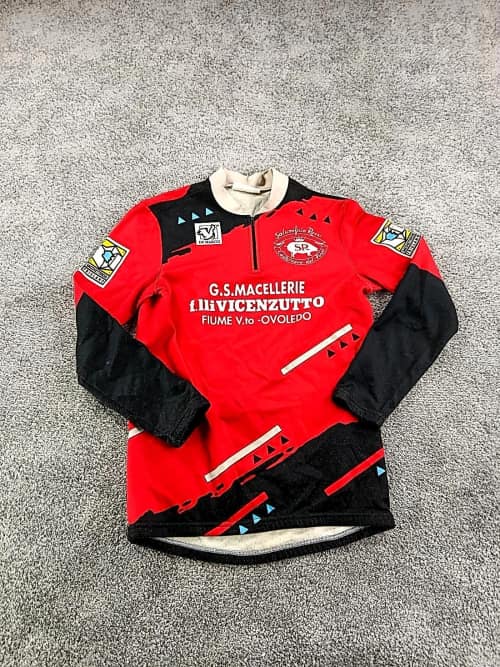
- Lightweight long-sleeve jersey.
- Long shorts or leg warmers, light gloves.
- Gilet or windbreaker in the pocket.
Cold5 to 10°C
- Base layer + thermal jersey.
- Jacket, long tights, long gloves.
- Neck and under-helmet.
Severe coldBelow 5°C
- Warm base layer, winter jacket.
- Thermal tights, overshoes.
- Thick gloves, balaclava.
The mistake to avoid
Dress for the moment you set off, not for the effort. If you feel warm at a standstill, you will overheat after ten minutes. Start slightly cool: you will warm up as you ride.
The 3-layer system
1. The base layer
- Wicks sweat, keeps skin dry.
- Close to the body, never cotton.
2. The insulating layer
- Insulates against the cold.
- Thermal or fleece jersey depending on the temperature.
3. The protection
- Blocks wind and rain.
- Jacket or windbreaker, removed on climbs.
Riding in the rain
- Waterproof and breathable jacket.
- Cap under the helmet for eye protection.
- Avoid cotton, which stays wet and makes you cold.
Wind blocking
- A windbreaker makes all the difference, especially on descents.
- The sleeveless vest is the ideal companion for in-between seasons.
- Close the zips facing the wind, open them on climbs.
Cold extremities
- Hands, feet and head lose heat quickly.
- Gloves, overshoes, and neck warmer before adding a layer.
- Warm feet make all the difference on a ride.
Managing overheating
- If you sweat while stopped, you are overdressed.
- Use your zips and removable sleeves to regulate your temperature.
- Better to wear one layer less than ride in soaked clothing.
Dress for the effort, not for the stop.
Start slightly cool: you will warm up as you ride.