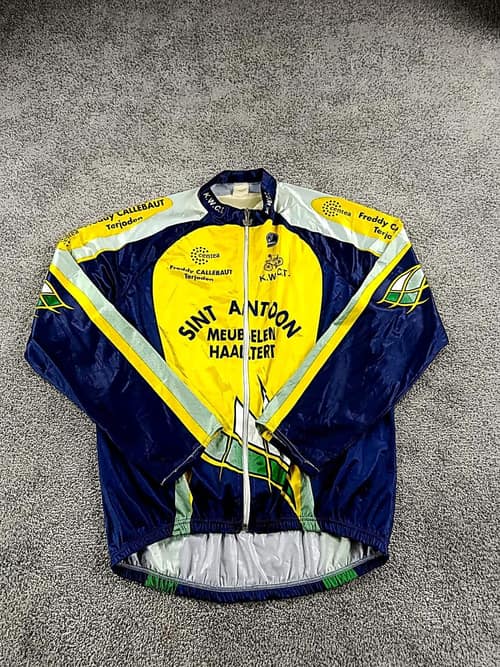
Repair or replace?
Simple repairsStitch, snag, zip, or velcro: often inexpensive to fix.
Signs of abandonmentCompressed insert, see-through fabric, dead elastic bands: the piece is done.
The right calculationRepair almost always costs less than buying a new piece.
Circular motionRepairing is a concrete act within a circular economy logic.
The key takeaway
Not every defect condemns a garment. A piece that is still comfortable and repairable deserves a second life rather than the bin.
Assess the actual condition
- Check whether the defect is structural or merely superficial.
- A snag or broken zip does not mean end of life.
What can be repaired
- Loose stitch, snag, zipper, or velcro: accessible repairs.
What is no longer worth it
- Compressed insert or see-through fabric: repair makes no sense.
Think circular economy
- Repairing means avoiding a purchase and reducing textile waste.
Before replacing, assess whether a simple repair will do.
A repaired and comfortable garment deserves to be ridden in again.