What you need to know
Fibers that are hard to recycleSynthetic blends often end up incinerated or landfilled.
Clear ecological hierarchyReducing and reusing come before recycling.
Reusing avoids everythingNo new production, no end-of-life processing.
Proper care extends useWell maintained, a garment stays wearable for much longer.
The key takeaway
The most eco-friendly garment is the one that never needed to be produced. Reusing an existing technical textile is always better than recycling it.
Reduce first
- Buy less, but choose durable and versatile pieces.
Recycle as a last resort
- Textile recycling remains limited: reserve this option when a garment can no longer be worn.
Reuse as much as possible
- A garment that is still wearable should keep circulating, not end up in the trash.
Care for longevity
- Proper washing and careful storage preserve technical fabrics.
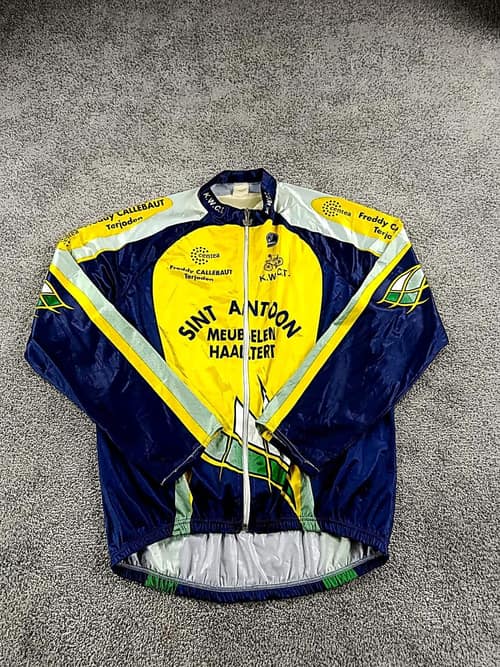
Cycling apparel recycles poorly: giving it a second life is the better choice.
Buy pre-owned, maintain, pass it on: that is what practical sustainability looks like.